We earn a commission if you buy through our links, at no cost to you. Disclosure
Wading belts
| Model | Width | Material | Fits waist up to | Holds | Amazon |
|---|---|---|---|---|---|
Compass 360 Wader Support BeltWading belt More specs
| 7 inmaker | Othermaker | — | — | See it on Amazon |
fishpond South Fork Wading BeltWading belt | — | — | 64 inmaker | Built-in net holster; rail slots for the Quikshot Rod Holder (sold separately); accepts Fishpond pouches/chest packs via rail systemmaker | See it on Amazon |
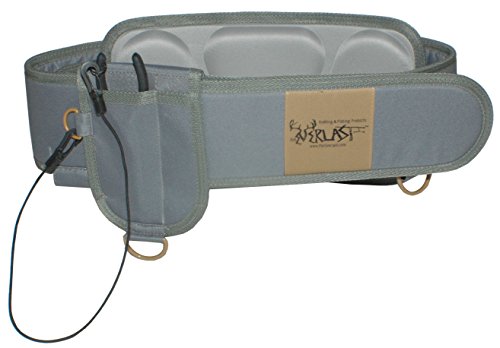
Foreverlast G2 Wading Belt Gear KitWading belt More specs
| — | — | 52 inlisting | Pliers, stringer, tackle box, rod holder, drink holderlisting | See it on Amazon |
Foreverlast G3 Wading Belt Gear KitWading belt More specs
| — | — | 52 inlisting | Pliers; adjustable tool and gadget locationslisting | See it on Amazon |
Frogg Toggs Pursuit Wade BeltWading belt | — | Othermaker | — | Quick-access pouch with mesh drainage, tool placement, buoy clip, stringer cinch, lure box includedmaker | See it on Amazon |
| — | Othermaker | — | Waterproof utility box (3-latch), tool placement, buoy clip, stringer cinchmaker | See it on Amazon | |
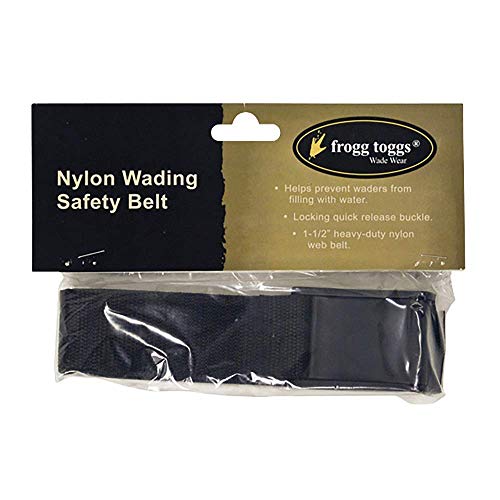
Frogg Toggs Wading BeltWading belt | 1.5 inmaker | Othermaker | — | — | See it on Amazon |
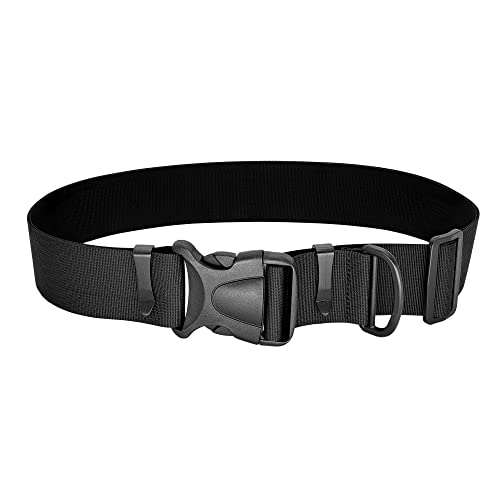
SAMSFX SAMSFX Fishing Wader Belt Wading Belts for Surf Casting Kayak Fishing Accessories Waders Straps, 2-inches in Width WebbingWading belt More specs
| 2 inlisting | — | 56 inlisting | — | See it on Amazon |
SAMSFX SAMSFX 1.5" Fishing Wader Belt Adjustable Wading Belts for Surf Casting Kayak Fishing Accessories Waders StrapsWading belt More specs
| 1.5 inlisting | — | 58 inlisting | — | See it on Amazon |
SAMSFX SFA3665Wading belt More specs
| 2 inlisting | Nylon webbinglisting | 55 inlisting | — | See it on Amazon |
Simms Neoprene Wading BeltWading belt More specs
| 2 inmaker | Neoprenemaker | — | — | See it on Amazon |
Simms Wading Belt - 1.5"Wading belt More specs
| 1.5 inmaker | Elasticmaker | 52 inmaker | — | See it on Amazon |
Simms Wading Belt - 2"Wading belt More specs
| 2 inlisting | Elasticlisting | 52 inlisting | — | See it on Amazon |








Packs & vests
| Model | Style | Capacity | Fabric | Weight | Amazon |
|---|---|---|---|---|---|
fishpond Switchback 2.0 Wading SystemPack / vest More specs
| Lumbarmaker | 2 Lmaker | 420D nylon recycled Cyclepond fabricmaker | 27.2 ozmaker | See it on Amazon |

What's in this tableWading belts we track on Amazon US.
What a wading belt is, and why it matters
A wading belt is the least glamorous piece of gear in the bag, and the one I would least like to be without. It is a strap that goes around your waist, over your waders. If you slip in a river, the belt is what limits how much water can run down inside the waders to your legs and feet. The Orvis wading guide puts it plainly: the belt is meant to keep water from filling the waders below your waist after a fall, and without one, waders can fill quickly, even in shallow water, and pull you under. The same guide ranks the belt, after a life jacket, as the most important gear to wear with waders to reduce the risk of drowning.
That is the reason this page is about safety first. A wading belt is not an accessory. If you wade in current, put it on every time, before you step into the water. That is my rule too, and I would not trade it for a new rod.
What a belt does and does not do
It limits the water that gets into your waders. It does not keep you afloat, it does not stop you falling and it does not make deep or fast water safe. For deep water, boats or strong current, wear a life jacket. A wading staff helps you stay upright in current. Take both seriously, and turn back if you feel uncomfortable.
If you fish chest waders, the belt is not optional. If you wear waist-high waders or wading pants, the same idea applies to a lower depth, though the maker of your waders should say what they recommend. Our waders page covers the heights.
Belt, belt system, or both
Fifteen products are in the table at our last check (October 2026), and they fall into two groups.
Plain straps. These are belts and nothing else, and they differ mainly in width, material and range. The Simms Wading Belt in 1.5 inch and 2 inch widths is listed as elastic with a 52 inch maximum waist. The Simms Neoprene Wading Belt is 2 inches wide and neoprene, in S/M and L/XL. The Frogg Toggs Wading Belt is 1.5 inches wide. The SAMSFX straps come in 1.5 inch and 2 inch webbing styles, with listed maximum waist from 55 to 58 inches, and the Compass 360 Wader Support Belt is listed at 7 inches wide. All of the SAMSFX values and several of the Simms values come from the Amazon listing, so they carry the listing mark.
Belts that carry gear. Some belts are sold as systems. The fishpond South Fork Wading Belt has a built-in net holster and rail slots for add-ons, and the fishpond Switchback 2.0 Wading System adds a 2 liter lumbar pack on a quick-release rail, listed at 27.2 ounces. The Foreverlast G2 and G3 Wading Belt Gear Kits list pliers, tool and gadget locations and, for the G2, a stringer, tackle box, rod holder and drink holder. The Frogg Toggs Pursuit Wade Belt and Tidal Sling add a pouch or utility box. The SAMSFX SFA366W lists a removable rod holder tube, a D-ring and swivel hooks.
I'd start from the job. If all you want is the safety strap that came off your old waders, buy a plain belt. If you want a place to put a net, tools and a few boxes, a system is worth a look. Just remember that every extra pocket on a belt is weight at the waist.
How to read the table
Each value carries a small mark. Maker means it came from the manufacturer's own page. Claimed marks a maker's own claim with no independent standard behind it. Listing means it came from the Amazon listing only, so treat it as the seller's statement. A dash (—) means we could not confirm it, and we do not guess. The columns for this type are:
- Width is in inches. I'd expect a wider belt to feel more substantial and a narrow one to be lighter, but the makers give no comparison. The data runs from 1.5 inches to 7 inches.
- Material is neoprene, elastic, nylon webbing or other. "Other" means the data does not give a more specific category.
- Fits waist up to is the maximum waist the maker or listing states, in inches.
- Holds is what the belt carries or accepts, such as a net holster, a pouch or a rod holder.
Several belts show dashes for waist or width. That is missing data, not a feature of the belt. Check the listing or the maker's page before you buy, and measure your waist over the layers you actually wear, as bulky layers add inches.
Width, material and waist range
Width. In the table, width runs from 1.5 inches (Frogg Toggs, Simms, one SAMSFX style) to 2 inches (several SAMSFX styles, Simms) and up to 7 inches (the Compass 360 belt). I can't tell you which is best, because none of the makers publishes a comparison. Wider belts feel more like a cummerbund, and narrow ones disappear under a vest. Think about what you wear over the belt.
Material. The Simms Neoprene Wading Belt is the one neoprene belt. Simms lists its two standard belts as elastic. Two SAMSFX styles list nylon webbing. The Frogg Toggs and Compass 360 belts are listed as "other". Materials affect stretch, comfort and how the buckle holds. A belt with some stretch can follow your waist as you bend, and a webbing belt is fixed in length once adjusted.
Waist range. Listed maximums in the data are 52 inches (Simms, Foreverlast), 55 to 58 inches (SAMSFX), and 64 inches (fishpond). Some belts show only size labels such as S/M and L/XL, or a waist range printed in the title. The fit depends on the layers under your waders, so allow for them. If you are near the maximum, pick the belt with more range.
How I would choose
By use. Plain belt for safety only. System for carrying gear. Don't buy a system if you don't plan to use the attachments.
By waders. Many waders come with a belt or loops for one. If yours did, check its condition and whether it fits over your layers. A damaged belt is a reason to replace it.
By layers. Measure over what you wear in winter, not summer. A belt that fits in July may not fit in January.
By buckle and adjuster. Look at how the belt closes in the listing photos and the maker's description, and choose something you can operate with cold or wet hands.
By companion gear. Chest packs and vests sit above the belt. Check that they don't pile up at the same spot. See fly fishing packs and fly fishing vests.
Belts and wading staffs
A belt does a second job that is easy to overlook. The Orvis guide notes that folding wading staffs fit in a sheath on your wading belt, so the staff stays with you when you need both hands, for example to release a fish or handle a net. If you plan to carry a staff, look at the "Holds" column for a holster or net slot, and check that the accessory fits the belt you choose. Our wading staffs page lists the models, including those listed with a holster.
Common mistakes
- Leaving the belt in the car. It only helps if it is on.
- Wearing it too loose. A belt that slides down your hips will not do the job it is meant for.
- Treating it as a life jacket. It limits water in the waders. It does not keep you afloat.
- Buying a system and never using the attachments. Weight at the waist adds up.
- Ignoring the waist maximum. Measure over your cold-weather layers.
Safety on the water
This section is editorial advice and not medical advice. Falls are the hazard to plan for, and cold water adds another. The Orvis wading guide covers the belt and says to hold a wading staff on your downstream side. My own habits, which are editorial: take short steps, turn back if you feel uncomfortable, and wear a life jacket in deep water or from a boat. A belt is the baseline under all of those.
Read the maker's instructions for your waders and your belt before the first trip, and check the buckle and webbing for wear before each season.
Care in brief
Rinse the belt with the rest of your gear, let it dry fully, and look at the buckle, the stitching and the webbing or elastic before each season. A belt that has lost its stretch, frayed at the edge or cracked at the buckle is a cheap thing to replace and an expensive thing to trust. Our guide on how to store waders covers keeping the whole kit out of the sun.
Brands in the table
SAMSFX has four belts in the table, Simms and Frogg Toggs have three each, fishpond and Foreverlast have two each, and Compass 360 has one. Read more on Simms, Frogg Toggs, fishpond and Compass 360, or browse the brand catalog. For the waders the belt goes over, start with chest waders.
Brands in this table
Related
Questions people ask
What is a wading belt?
A wading belt is a strap, usually adjustable, that goes around your waist over your waders. Its main job is safety. The Orvis wading guide says it is meant to keep water from filling your waders below the waist if you fall. Some belts are plain straps, and some add pockets, holsters or a pack system for gear.
What is the purpose of a wading belt?
To limit how much water can get into the waders below your waist after a fall. Orvis states that without one, waders can fill quickly, even in shallow water, and pull you under. That is why I treat the belt as safety gear first and a gear carrier second.
Do I need a wading belt?
If you wear chest waders in water you could fall in, yes. The Orvis wading guide names the belt, after a life jacket, as the most important piece of gear to wear with waders to reduce the risk of drowning. Many waders come with a belt or a belt loop, so check what yours includes. Wear it every time.
How do you wear a wading belt?
Wear it around your waist over the waders, adjusted so it stays in place, and follow the instructions that come with the waders and the belt. The Orvis guide does not give a tightness measurement, so I can't quote a rule. My own rule of thumb is that it should be firm enough to stay put when you step up and bend, and loose enough that you can breathe and move normally.
What size wading belt do I need?
Check the maximum waist the maker states and put it against your measurement over your wader layers. In our table, listed maximums run from 52 inches to 64 inches where stated, and several belts show a dash because the number is not confirmed. If you are close to the limit, choose a belt with more range.
Is a neoprene wading belt better than a nylon one?
I can't say one is better, and no maker in our data publishes comparative results. Neoprene is stretchy and soft, elastic belts stretch as you move, and nylon webbing is flat and adjusts with a buckle. The Simms Neoprene Wading Belt is the only belt in the table listed as neoprene. Choose by comfort over your layers, and by how reliably the buckle holds.
Can a wading belt replace a life jacket?
No. The belt limits how much water enters the waders after a fall. It does not keep you afloat. For deep water, boats or fast current, wear a life jacket, and read the guidance that comes with your waders.
Sources
- Orvis: Freshwater wading tips for moving water — accessed 2026-10-15