We earn a commission if you buy through our links, at no cost to you. Disclosure
| Model | Material | Neoprene thickness | Fit | Built-in gravel guard | Amazon |
|---|---|---|---|---|---|
8 Fans Neoprene Wading SocksWader socks More specs
| Neoprenemaker | 3 mmmaker | Unisexmaker | Yesmaker | See it on Amazon |
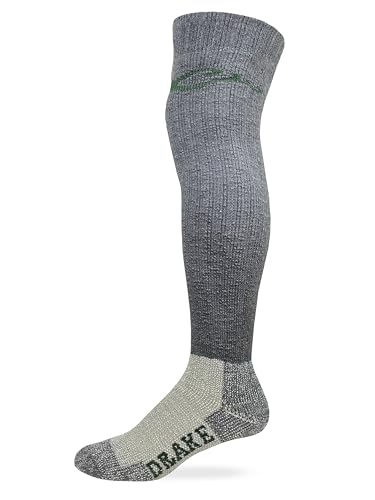
Drake Waterfowl Heavyweight Merino Wool Wader SocksWader socks More specs
| Wool blendlisting | — | Men'slisting | — | See it on Amazon |
Ducks Unlimited Heavyweight Merino Wool Blend Wader SocksWader socks More specs
| Wool blendlisting | — | Men'slisting | — | See it on Amazon |
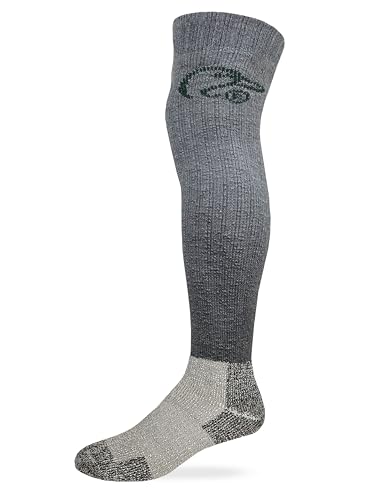
Ducks Unlimited Heavyweight Merino Wool Over the Knee Wader SocksWader socks More specs
| Wool blendlisting | — | Men'slisting | — | See it on Amazon |
Ducks Unlimited Men's Merino Wool Blend Wader Sock (2-Pack)Wader socks More specs
| Wool blendlisting | — | Men'slisting | — | See it on Amazon |
Ducks Unlimited Men's Merino Wool Tall Wader Over the Knee Boot SocksWader socks More specs
| Wool blendlisting | — | Men'slisting | — | See it on Amazon |
Farm to Feet Ansonville 8541Wader socks | Wool blendlisting | — | Men'slisting | — | See it on Amazon |
Farm to Feet Cedar Falls 8553Wader socks | Wool blendlisting | — | — | — | See it on Amazon |
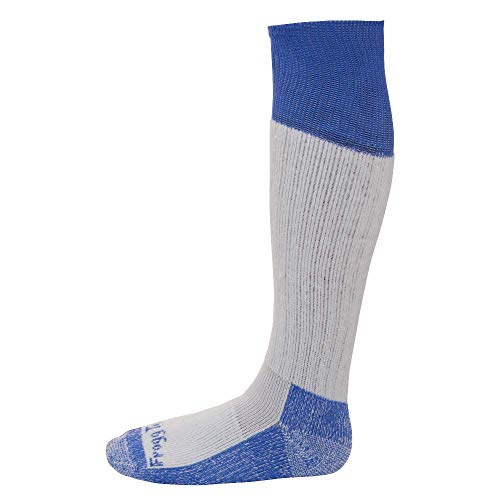
Frogg Toggs Coolmax Wader SockWader socks | Synthetic knitlisting | — | — | — | See it on Amazon |
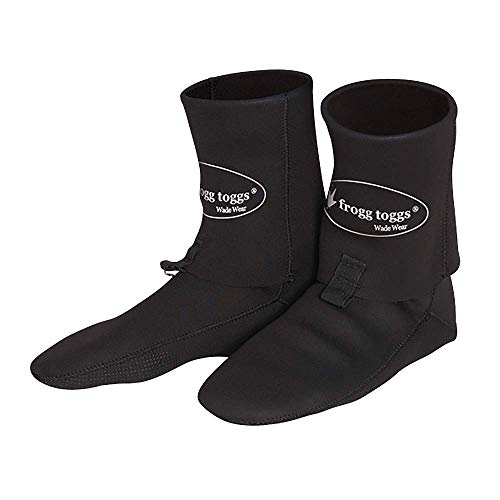
Frogg Toggs Neoprene Wading BootiesWader socks More specs
| Neoprenemaker | 3.5 mmmaker | — | Yesmaker | See it on Amazon |
Korkers I-Drain Neoprene Guard Socks 3.5mmWader socks More specs
| Neoprenemaker | 3.5 mmmaker | Unisexmaker | Yesmaker | See it on Amazon |
Korkers I-Drain Neoprene Wading Socks 2.5mmWader socks More specs
| Neoprenemaker | 2.5 mmmaker | Unisexmaker | — | See it on Amazon |
Orvis Midweight OTC Wader SocksWader socks More specs
| Wool blendmaker | — | — | — | See it on Amazon |
Orvis Neoprene Guard Sock 3mmWader socks More specs
| Neoprenemaker | 3 mmmaker | Unisexlisting | Yesmaker | See it on Amazon |
Orvis Neoprene Wading Sock 0.5mmWader socks More specs
| Neoprenemaker | 0.5 mmmaker | Unisexlisting | — | See it on Amazon |
Simms Guide Guard Wading SocksWader socks More specs
| Neoprenemaker | 3.5 mmmaker | Unisexmaker | Yesmaker | See it on Amazon |
Simms Guide Wet Wading SockWader socks More specs
| Synthetic knitmaker | — | Men'slisting | — | See it on Amazon |
Simms Neoprene Flyweight Wading SocksWader socks More specs
| Neoprenemaker | 2.5 mmmaker | Men'smaker | Yesmaker | See it on Amazon |
Simms Neoprene Wading SocksWader socks More specs
| Neoprenemaker | 2.5 mmmaker | Unisexmaker | — | See it on Amazon |
| Wool blendlisting | — | Unisexlisting | — | See it on Amazon | |
| Neoprenelisting | 3.5 mmlisting | Unisexlisting | Yeslisting | See it on Amazon |






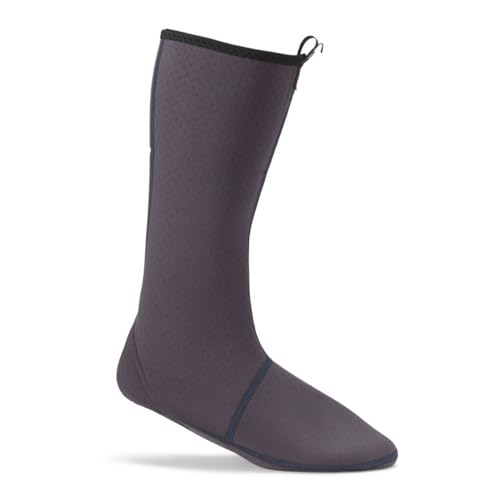


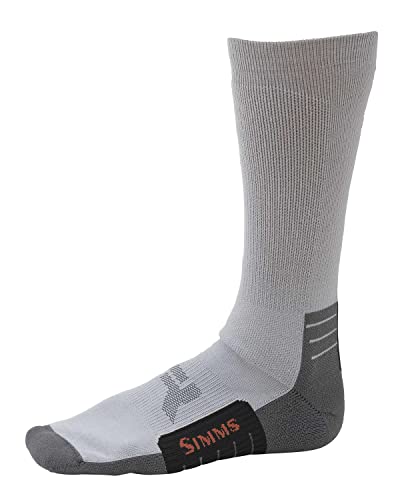

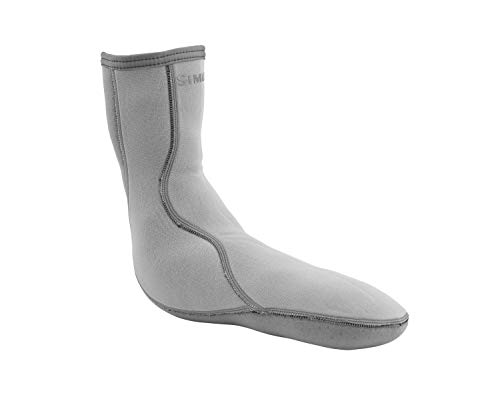


What's in this tableSocks and booties made to wear inside waders or wading boots.
What wader socks are, and who needs them
If you wear stockingfoot waders, your foot sits in a neoprene bootie and a wading boot goes over it. If you wet wade, your foot goes straight into the boot. In both cases a sock decides whether the boot feels like a good idea or a mistake by the second mile. A wader sock is simply the layer that makes the foot comfortable: it adds warmth, cushions the foot against the boot and can keep grit away from your skin.
Our table covers 21 socks and booties at our last check (October 2026). Ten are neoprene, nine are wool blends and two are synthetic knits. That split is a good map of the page: neoprene socks are for wet wading and cold-water fit, wool blends are for under waders, and the synthetic knits sit in between. I'd start with the sock you will wear most, then add a second pair for the other job.
The three kinds of wader sock
Neoprene socks and guard socks. Neoprene is foam rubber that stays warm when wet. In our data, neoprene thickness runs from 0.5 mm to 3.5 mm where the maker or listing says so. The thin ones add little bulk to a boot, and the thick ones are closer to the bootie of a stockingfoot wader. Frogg Toggs says that for neoprene waders, 3 mm suits fishing and 5 mm is preferred in colder weather. That gives you a feel for how thickness maps to temperature, though a sock and a wader are different things. At our last check, seven of the ten neoprene socks list a gravel guard, which is a stretchy cuff that goes over the boot top and keeps sand and small stones out. A neoprene sock without one still works, but the grit will find a way in.
Wool-blend socks. These sit against the skin under waders and are the most common kind in the table. Nine are listed with a wool-blend material, and several name merino in the title, including the Drake Waterfowl heavyweight and the Ducks Unlimited styles, and the Smartwool Hunt Wader sock is the one from a dedicated wool maker. Wool keeps some warmth when damp and handles moisture better than cotton. The blends differ in height as well as weight: some stop at the calf, and the over-the-knee versions in the table run higher. Material details beyond "wool blend" come from the Amazon listing, so I would check the label before buying if the exact blend matters to you.
Synthetic knits. Two products in the table use synthetic knit: the Frogg Toggs Coolmax Wader Sock and the Simms Guide Wet Wading Sock. They are thinner and are often chosen for warm water or for the layer next to the skin. The Wet Sock Index runs from damp suspicion to part of the river, and I'd rate any sock that has been under a leaking wader at the high end of it. (This is a joke, not a ranking. No product in the table has been measured against the Index.)
How to read the table
Each value carries a small mark. Maker means it came from the manufacturer's own page. Claimed is a maker's own claim with no independent standard behind it. Listing means it comes from the Amazon listing only, so treat it as the seller's statement. A dash (—) means we could not confirm it. We do not guess, and many socks show dashes for the neoprene thickness and the gravel guard, particularly the wool blends, where those columns don't apply.
The columns for this type:
- Material is neoprene, wool blend or synthetic knit.
- Neoprene thickness is in millimeters and appears only for neoprene socks.
- Fit is men's, women's or unisex where stated.
- Built-in gravel guard says whether the sock has the cuff. A dash means not confirmed, not "no".
Under "More specs" you will find the size labels and, for some models, a link to the maker's size chart. Sizing labels are not standard. The Korkers socks use SM, MD, LG and XL with men's and women's shoe ranges, Simms uses XS to XL, and Orvis labels run XS to XL with shoe-size ranges. Always use the maker's own chart for the sock you buy. The Simms size and fit guide and the Frogg Toggs size charts are two examples, and I haven't copied either here.
How I would choose
By water temperature. In cold water, go for the thicker neoprene or a heavyweight wool blend. In warm water, a thin neoprene sock or synthetic knit does the job and leaves room in the boot. For waders, check the insulation of the waders themselves too, since a thick sock can't make up for thin neoprene on the leg.
By how you fish. If you wet wade, you want a neoprene sock with a gravel guard, because there is no wader cuff to keep grit out. See our wet wading guide for the whole setup and the wet wading shoes page for the boots. If you wear stockingfoot waders, you will wear a sock underneath, and the choice is mostly about warmth and fit in the boot.
By boot room. A thick sock changes the way a boot fits. Try the boot with the sock on, or size the boot with the sock you plan to wear. Our wading boots page covers sole, closure and fit.
By how much you walk. Long hikes in to the water favor socks that dry fast and don't bunch. Short outings in cold water favor warmth. Height matters too: a sock that stops short of the top of the boot can leave a gap where the boot rubs.
By the weather out of the water. Wool blends are comfortable out of the waders too, and they are what many hunters in the table wear. Several of the wool-blend socks are marketed to hunters rather than anglers, which is fine, since waders do the same job in a marsh.
Sock height, and why it matters
The table has no height column, so you will find height in the title or the listing. Some titles in the data say over-the-knee or over-the-calf, and the Ducks Unlimited and Smartwool models include taller styles aimed at hunters in waders. For waders, a taller sock protects the shin where the wader fabric and the boot cuff meet, and it stays put better than a short sock that slides down. For wet wading, the height of the neoprene sock decides how much of the lower leg stays warm, and a guard cuff only works if the sock reaches the boot top. If the listing doesn't state the height, treat it as unknown and ask the seller or check the maker's page.
A two-pair system
Many people end up with two pairs, and I think that is a sensible way to build the kit. One pair is the sock that lives under the waders: a wool blend or synthetic in a weight that suits the season. The other is a neoprene guard sock kept for warm days when you leave the waders at home. The pairs do not substitute for each other, and the table helps you pick each one by the same columns. Keep a note of the boot size you wore with each sock, since the fit changes with thickness.
Common mistakes
- Cotton against cold feet. I'd choose a wool blend or synthetic knit for cold water, because cotton holds moisture against the skin.
- Buying boots first and socks later. The sock thickness changes how the boot fits. Do them together.
- Ignoring the gravel guard. If you wet wade, it earns its place. Grit inside a boot wears at the foot and at the sock.
- Assuming one size chart fits all brands. It does not. Check the chart for the sock you are buying.
- Wearing the same damp pair twice. Dry them fully, inside and out, the same way you would dry the waders. Our wader care guides cover the habits.
Care in brief
Rinse neoprene socks after use, especially in salt or silty water, and let them dry away from direct heat and sun. Wash wool-blend socks according to the label on the pair you bought, since blends vary. Keep a spare pair in the car or in your bag. A dry sock at the end of the day is a kindness, and you will not regret carrying one.
Brands in the table
Simms has the most socks in the table, with four. Ducks Unlimited has four wool-blend styles, Orvis has three (two neoprene and one midweight wool blend), and Korkers has two neoprene styles. Frogg Toggs, Farm to Feet, Drake Waterfowl, Smartwool, 8 Fans and XUKER round out the list. Visit the Simms, Orvis, Korkers, Frogg Toggs, Drake, Ducks Unlimited and 8 Fans pages for more on each maker. If you want only the neoprene pairs, go to neoprene wading socks. For the wider picture, start at the waders hub or the stockingfoot waders page.
Brands in this table
Related
Guides
Questions people ask
What socks do you wear with waders?
It depends on the waders and the weather. Under stockingfoot or bootfoot waders, many anglers wear a wool or synthetic sock against the skin, and the table lists wool-blend options from Drake Waterfowl, Ducks Unlimited, Farm to Feet, Orvis and Smartwool. Frogg Toggs notes that breathable waders can work in colder weather when layered with thermals. Our guide on what to wear under waders goes through the layers.
Are wading socks and wader socks the same thing?
Not quite. Wading socks, in the way the makers in our table use the term, are neoprene socks worn inside wading boots for wet wading, and several have a gravel guard cuff to keep grit out of the boot. Wader socks are the wool-blend or synthetic socks worn under waders. The words overlap in search, so read the product description and the material column before you buy.
What are wading socks for?
Wading socks are neoprene or synthetic socks worn with wading boots when you are wet wading, meaning you are not wearing waders and your legs get wet. They add warmth, cushion your foot in the boot and cut down on rubbing. A gravel guard, where the sock has one, helps keep sand and small stones out of the boot.
Can I wear regular socks under waders?
You can, and plenty of people do. The reason makers sell socks for waders is that they are often taller, thicker where you need cushion and made of fibers like wool blends or synthetics. I'd avoid cotton in cold water, because it holds moisture against the skin. If your feet get cold, the sock is usually the first thing to look at.
How thick should neoprene wading socks be?
In our data neoprene socks range from 0.5 mm to 3.5 mm where the maker or listing states it. Frogg Toggs says 3 mm suits fishing and 5 mm is preferred in colder weather for neoprene waders, which gives a rough idea of how thickness maps to temperature. A thicker sock is warmer but takes more room in the boot, so size the boot with the sock on.
Are there heated wader socks?
None of the socks in our table are listed as heated, so I can't tell you how any of them perform. If you shop for heated socks elsewhere, check the battery type and whether the maker says they are safe to wear in wet boots. The table here covers neoprene, wool-blend and synthetic socks.
Are there waterproof wader socks?
Not in our data. Neoprene socks keep you warm when wet, but they are not described as waterproof, and wool-blend socks are not either. If a listing calls a sock waterproof, look for what the maker says it is made of and whether that claim is explained.
Sources
- frogg toggs: How to buy waders — accessed 2026-10-15
- Simms: Size and fit guide — accessed 2026-10-15
- frogg toggs: Size charts — accessed 2026-10-15