We earn a commission if you buy through our links, at no cost to you. Disclosure
| Model | Line weight | Length · pieces | Action | Blank material | Water | Warranty | Amazon |
|---|---|---|---|---|---|---|---|
MAVRK Dual I 3/4wt ConvertibleFly rod More specs
| 3–4 wt | 9'0" · 4 pc | — | Graphitelisting | — | Limited lifetime (defects in materials/workmanship; broken rod sections replaced free)maker | See it on Amazon |
Echo Carbon XL Euro Nymph 3100-4Fly rod More specs
| 3 wt | 10'0" · 4 pc | — | — | — | Lifetime for the original owner (manufacturing defects only)maker | See it on Amazon |
Echo Carbon XL Euro Nymph 4100-4Fly rod More specs
| 4 wt | 10'0" · 4 pc | — | — | — | Lifetime for the original owner (manufacturing defects only)maker | See it on Amazon |
Echo Shadow II 3100-4Fly rod More specs
| 3 wt | 10'0" · 4 pc | Fastmaker | — | — | Lifetime for the original owner (manufacturing defects only)maker | See it on Amazon |
Redington Strike 2100-4Fly rod More specs
| 2 wt | 10'0" · 4 pc | Medium-fastmaker | — | — | Lifetime warrantymaker | See it on Amazon |
Cortland Competition MKII Nymph 10.5 FT / 3 WTFly rod More specs
| 3 wt | 10'6" · 4 pc | — | Graphitemaker | Freshwatermaker | — | See it on Amazon |
Cortland Guide Series Euro Nymph 10.5 FT / 3 WTFly rod More specs
| 3 wt | 10'6" · 4 pc | Fastmaker | Graphitemaker | — | 2-yearmaker | See it on Amazon |
Cortland Nymph Series 10.5 FT / 2 WTFly rod More specs
| 2 wt | 10'6" · 4 pc | — | Graphitemaker | — | — | See it on Amazon |
Cortland Nymph Series 10.5 FT / 3 WTFly rod More specs
| 3 wt | 10'6" · 4 pc | — | Graphitemaker | — | — | See it on Amazon |
Cortland Nymph Series 10.5 FT / 4 WTFly rod More specs
| 4 wt | 10'6" · 4 pc | — | Graphitemaker | — | — | See it on Amazon |
MAVRK MV-X 10'6" 3wtFly rod More specs
| 3 wt | 10'6" · 4 pc | Medium-fastmaker | Graphitemaker | — | Limited lifetime (defects in materials/workmanship; broken rod sections replaced free)maker | See it on Amazon |
Moonshine Rod Company Epiphany 3wt 10'6"Fly rod More specs
| 3 wt | 10'6" · 4 pc | Fastlisting | Graphitelisting | — | 12 months from date of purchase, original purchaser only (rods bought before June 2025 carry a lifetime warranty); no fee for manufacturing defects, per-section fee otherwisemaker | See it on Amazon |
Cortland Competition MKII Nymph 11 FT / 3 WTFly rod More specs
| 3 wt | 11'0" · 4 pc | — | Graphitemaker | Freshwatermaker | — | See it on Amazon |
Lamson E-Series 3wt 11'Fly rod More specs
| 3 wt | 11'0" · 4 pc | Medium-fastmaker | — | Freshwatermaker | Limited lifetime (original owner; defects in material or workmanship; repair or replacement)maker | See it on Amazon |
Maxcatch Performance Nymph 3wt 4pcFly rod More specs
| 3 wt | — · 4 pc | Medium-fastmaker | Graphitemaker | — | — | See it on Amazon |
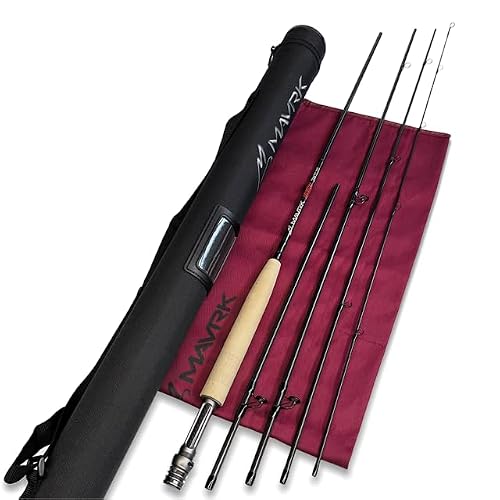


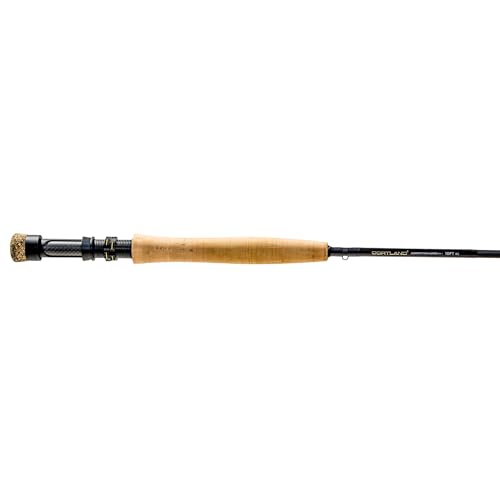

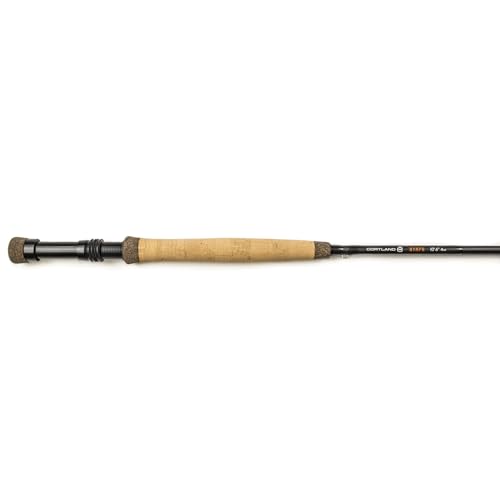


What's in this tableRods built for Euro (tight-line) nymphing, as described by their maker.
What a Euro nymph rod is, and who it suits
A Euro nymph rod is built for one job: feeling a weighted fly drift along the bottom of a river through a short, taut line. In Euro (tight-line, contact) nymphing you cast little line, the flies carry the weight, and you read the drift through the tip. That puts different demands on the rod than a dry-fly trout rod.
One setup guide describes the tips of these rods as very sensitive and flexible, loading without any fly line out of the tip, with a stiffer butt section for fighting power. In other words, the line-weight rating on a Euro rod is a polite suggestion: the rod mostly casts a leader.
If you fish rivers for trout, like the idea of a slow, careful presentation, and want a long reach over fast water, a Euro nymph rod suits you. If your fishing is mostly dry flies, streamers or lakes, a 3-weight or 5-weight general-purpose rod is the better buy.
How to read the table
Each value carries a small mark. Maker means the manufacturer's own page states it. Claimed is a maker's claim with no independent standard named. Listing means it comes from the Amazon listing and the maker has not confirmed it. A dash means we could not confirm it anywhere, and we don't guess.
The columns:
- Line weight shows a 1 to 12 gauge. Euro rods in our data sit at 2, 3 or 4, with one dual-rated 3/4 model.
- Length · pieces shows length in feet and inches and the number of sections. Most are 10 feet or longer, and all are four-piece.
- Action is the maker's or listing's description. On Euro rods many makers don't state one, so you will see dashes. Where they do, the words are fast or medium-fast.
- Blank material is graphite for the ones that state it.
- Water is rarely stated, since these are river rods. A dash is normal.
- Warranty gives the maker's wording, from two years up to lifetime for the original owner.
Under each model name, "More specs" shows the rest, such as rod weight in ounces where known. The table can be filtered by line-weight band, up to three spec selects and brand, and sorted on any column.
Length: 10, 10 and a half, or 11 feet
Length is the main thing you choose on a Euro rod, because reach is what the technique pays for. One guide recommends 10 to 10 and a half feet for beginners, within a 10 to 12 foot range. It gives two reasons: a longer rod helps you reach over obstacles and currents so the rig has no drag, and in competition rules the leader may be twice the length of the rod. It also warns that an 11-foot rod may not suit small streams with overhead trees, and so suggests 10 feet as the starting point.
In our data most rods are 10 to 11 feet:
- 10 feet. Easier on small streams and under trees, and lighter in the hand.
- 10 and a half feet. The middle. It reaches across a seam without being awkward.
- 11 feet. More reach for big, open water. A longer rod is also more tiring over a long day.
I'd start at 10 or 10 and a half unless I knew my river was wide and open. The Euro nymphing setup guide and what is Euro nymphing explain the technique.
Line weight: 2, 3 or 4
The rod's number is its design rating. As summarised on Wikipedia, a 3-weight fly line targets 100 grains over its first 30 feet, a 2-weight less and a 4-weight more. On a Euro rod the number is more about power than about the line you cast, since you cast almost no fly line.
The 3-weight is the standard example. One guide uses a 10-foot 3-weight for small streams, and says a 3-weight Euro rod can handle fish normally targeted with a 5-weight. A 2-weight loads even more lightly and suits very small water; a 4-weight has more backbone for bigger fish and heavier flies. See the 3-weight fly rod page for the standard rods at that weight, including some 10-footers.
Action and sensitivity
Orvis explains that a fast rod bends mostly near the tip with a stiff butt, and a medium rod bends further down. On a Euro rod you want a sensitive tip, which feels the fly, and a stronger butt, which fights the fish. The setup guide says a soft tip helps detect takes and protects light tippet during a fight. Most makers here don't state an action, and the few that do say fast or medium-fast. Labels aren't standardised, so treat the word as a rough guide. A rod's weight in the hand matters too, and "More specs" shows it where the maker states it. The Euro rods in our data that list a weight come in around three ounces.
The rest of the setup
A Euro rod only works as part of a system.
Reel. The reel mostly holds line and balances the rod. One guide advises oversizing it by at least two line weights, such as a 5-weight or 6-weight reel on a 3-weight rod, because it balances a long rod better. Check the reel's stated range, and see our fly reels and trout fly reels pages.
Line. The guide describes Euro lines as thin, around 0.022 inches, to reduce drag and sag. For close work with a leader of about 20 feet, it says a cheap 2-weight double-tapered line will do. Our fly lines section has the options, and the types of fly line guide explains tapers.
Leader. The same guide builds a leader from 3x or 4x main material, a two-color sighter and a micro tippet ring, with 4x to 7x tippet. Its reasoning: thin material lands softly and spooks fewer fish, and thin tippet cuts through water for more contact with the flies. I'll leave the knots to the guide.
Rod, reel and line in one box. Combos are sold, but check what is in the box. A standard fly line is not what the technique is built around. See fly rod combos and the starter kits list, and read the contents.
Small details that decide whether the setup works
The setup guide behind much of this page is specific about details, and a few of them affect which rod you pick. It advises a solid knot such as a clinch or uni knot, or a superglue splice, in place of a loop-to-loop connection between line and leader, to avoid a hinge point. It sets the sighter (the brightly colored section you watch) at about 1.5 to 2 times the water depth from the point fly. It also says a slender grip helps carry sensitivity into your hand, so check the handle details in "More specs" where a maker gives them.
Because the tip is long and thin, it is also the part to protect. Carry the rod in its tube, take care when you pass it through brush, and keep the sections clean and dry. If it does break, the warranty wording is where you start.
How to choose
By water. Small, brushy streams: 10 feet and a 2 or 3-weight. Mixed rivers: 10 and a half. Big, open water: 11 feet, maybe a 4-weight.
By fish. Trout in rivers are the standard target. A 3-weight Euro rod can handle fish normally targeted with a 5-weight, and the 4-weight gives more margin on bigger ones. See fly fishing for trout and what weight fly rod for trout.
By experience. If you are new to the technique, I'd pick a 10-footer first, as the setup guide suggests, and add length later if your river needs it.
By budget. I'll leave prices out. This group runs from the lowest tier up to specialist builds, and what a higher tier typically buys is a lighter blank and a better warranty. The warranty wording in the table ranges from two years to lifetime for the original owner, so read it.
By your other rods. A Euro rod is a specialist. Many anglers keep it beside a general rod. A 9-foot 5-weight covers dries and streamers; the Euro rod covers the bottom.
Common mistakes
- Buying a Euro rod and expecting it to cast a dry fly well. It's built to feel the fly. Casting distance isn't its job.
- Going too long for small water. Eleven feet under trees is a lot of rod.
- Using a thick standard line. The point of the thin line is less drag and sag. A standard line works against it.
- Skipping the leader. The leader is the system. A good rod on a bad leader still misses takes.
- Ignoring the warranty. A long, thin tip is the part most likely to be broken. Read the Warranty column.
Brands in the table
Cortland has the largest run of Euro rods in the data. Other makers include Echo, MAVRK, Redington, Lamson and Maxcatch. The brand catalog lists the rest, and the fly rods page covers every line weight.
Brands in this table
Related
Guides
Questions people ask
What is a Euro nymph rod?
A Euro nymph rod is a long, light single-handed fly rod made for tight-line nymphing, also called Euro or contact nymphing. One setup guide says its tips are very sensitive and flexible and load without any fly line out of the tip. Most are 10 feet or longer and rated 2 to 4 weight.
What is the best length for a Euro nymph rod, 10 foot or 11 foot?
One guide recommends 10 to 10 and a half feet for beginners and says an 11-foot rod may not suit small streams with overhead trees. Longer rods give more reach over currents, which helps keep line off the water. If your water is tight and brushy, 10 feet is the safer starting point. On big, open rivers, 10 and a half or 11 feet gives more reach. Our Euro nymphing setup guide covers it.
What line weight should a Euro nymph rod be?
The 3-weight is the common example: one guide describes a 10-foot 3-weight for small streams, and says a 3-weight Euro rod can handle fish normally targeted with a 5-weight. In our data the rods run from 2-weight to 4-weight. A 2-weight suits very small water; a 4-weight gives more backbone for bigger fish and heavier flies.
What reel do I need for a Euro nymph rod?
The reel mostly holds line and balances the rod. One Euro nymphing guide advises oversizing the reel by at least two line weights, for example a 5-weight or 6-weight reel on a 3-weight rod, because it balances the whole system better. Check the reel's stated line-weight range. See our fly reels pages.
What fly line do I need for Euro nymphing?
Euro nymphing uses a thin line rather than a standard fly line. One guide gives a thickness around 0.022 inches, thin enough to cut drag and sag. For close-range fishing with a leader of about 20 feet, the same guide says a cheap 2-weight double-tapered line is fine. Check the line before you buy a kit, because a standard fly line is not what the technique is built around.
Can I use a Euro nymph rod for dry flies?
You can, but it is not what the rod is for. Euro rods are built to feel the fly through the line, with a soft, sensitive tip and a stiffer butt. They are not built for distance casting of a weighted fly line. For dries, a regular 9-foot trout rod is the easier tool. See our 3-weight and 5-weight pages.
Do I need a special rod to Euro nymph?
Not strictly, since the technique can be tried with a regular rod. But a long, light rod with a sensitive tip makes the technique easier, which is why makers sell dedicated Euro rods. If you are just curious, a 10-foot 3-weight is a typical starting point.
Sources
- Into Fly Fishing: The basic Euro nymphing setup — accessed 2026-10-15
- Orvis: Which action is best for a fly rod, fast, medium or slow — accessed 2026-10-15
- Wikipedia: Fly line — accessed 2026-10-15