Wet wading in one paragraph
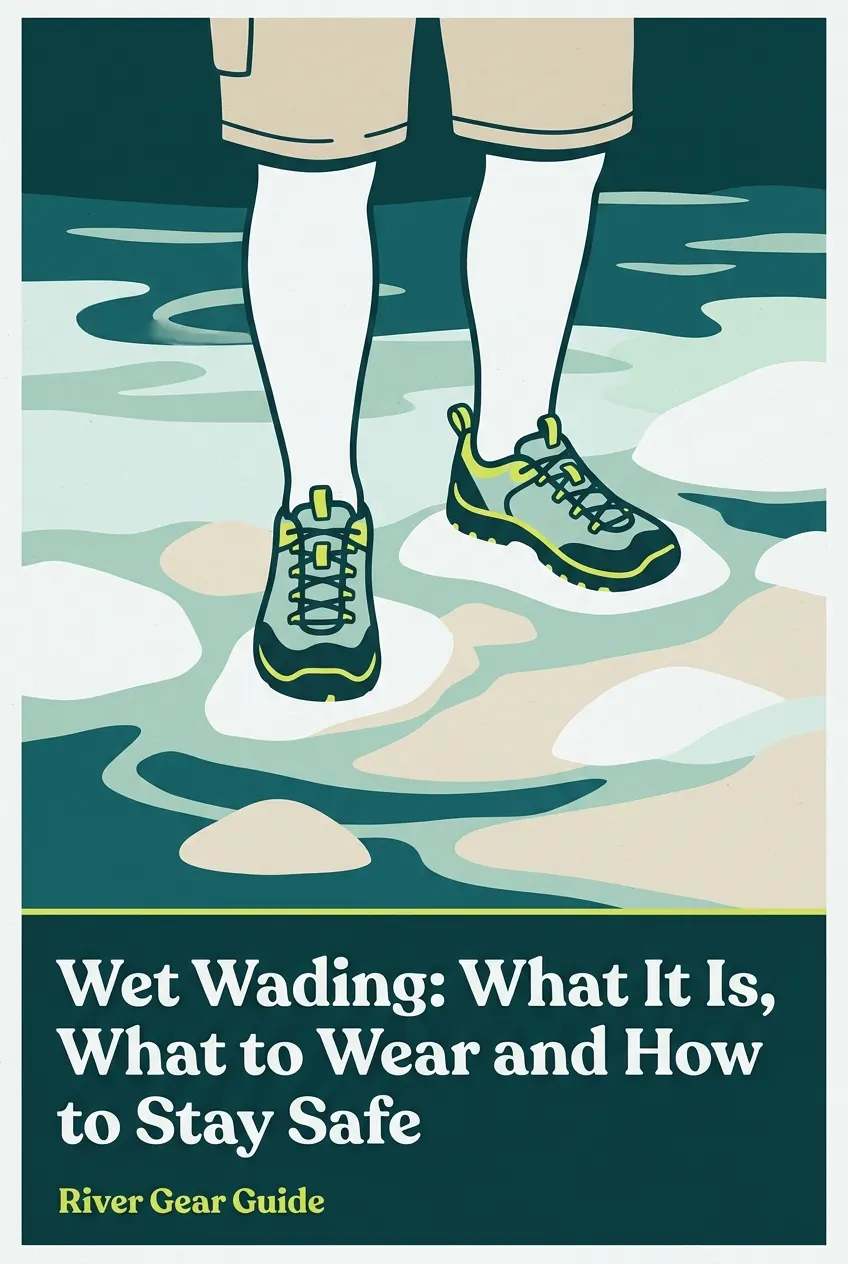
You walk into the river in clothes you do not mind soaking, you fish, and you dry off afterward. No waders, no wader straps, no zipping up. It is the cheapest and lightest way to fish moving water, and on a hot afternoon it is the most comfortable. The catch is that the river does not care how warm it is on the bank.
Check the water before you step in
Start with the temperature, not the sky. Colorado Trout Unlimited's wet wading post describes the "initial shock of cold water" as part of the deal, and says anglers prone to cold legs should wear waders. The same post says that when water rises above 65°F it is time to give the fish a break, or to fish earlier in the day and leave before the afternoon. That is a fish-welfare point, not a comfort one, and it is a good reason to carry a thermometer.
The cold-water safety point is more serious. Seattle Children's Hospital's page on cold water shock says water temperatures can be very cold even when air temperatures are warm, and that melting snowpack makes rivers and lakes colder and raises the risk. After the gasp reflex (the body's immediate response to very cold water), it says death can occur in just a few minutes, and that cold water shock causes more deaths than hypothermia. So the rule I follow is simple: if the water is cold enough to take your breath when it reaches your waist, treat the river as cold, not warm. Snowmelt rivers, high-elevation creeks and water below dams are the places to be careful, and Colorado Trout Unlimited makes the same point about cold rivers even in warm weather.
I would not wade high, fast water at all. Shorts will not help you there, and neither will waders.
What to wear
The brief version is quick-drying, nothing cotton, and footwear first.
Pants or shorts. Colorado Trout Unlimited prefers quick-dry running shorts or capri-length pants, and says the length depends on the terrain and how much exposure you want. Guide Recommended makes the same point from the other side: long pants and boots suit brushy, cold, high-mountain water. Choose by what is on the bank as well as in the water, because brush, rocks and sun do more damage to bare legs than the river does. Shorts are fine on open gravel. They are a bad idea in a thicket.
Avoid cotton and jeans. Both sources I read say the same thing. Colorado Trout Unlimited says to avoid jeans and natural fibers like cotton and wool, which get heavy when wet and dry slowly, and look for activewear labeled "quick dry" or "water wicking." That goes for the shirt too if you will wade past your hips.
A shirt with sleeves. Guide Recommended notes that long pants and long-sleeve shirts give sun coverage. Your legs are in the sun all day with nothing over them, so sunscreen on your legs is not an afterthought.
Gloves and hat. Optional, but Guide Recommended points out that sun, cold water and fly line all take their toll on hands.
Footwear is the safety item
Colorado Trout Unlimited calls footwear "the most important item" for wet wading safety, and says sole grip matters most. It lists these options:
- wading boots with neoprene socks,
- well-fitting strap sandals with good rubber soles,
- closed-toe water shoes,
- quick-dry sneakers, which have lighter foam soles and grip rocks less well,
- barefoot, only on sandy stretches, never on rocky ones.
Guide Recommended's outfit is much the same: wading boots, neoprene socks, quick-drying pants and a breathable shirt, with closed-toe sandals as the comfortable option on warm water and gravel bottoms.
The sole matters as much as the shoe. Orvis says felt grips slippery rocks but is poor on snow and wet grassy banks, and that rubber suits sand, gravel and trails. It adds that some areas ban felt because it can spread invasive species. If you wear boots, our felt vs rubber guide goes through the trade-off, and our felt sole boots page covers the felt side. Check the rules where you fish before you pick a sole.
The neoprene sock is what makes a wet wading boot work. It keeps your foot from sliding around in the boot and keeps gravel off your skin. Our neoprene wading socks page lists them, and the wet wading shoes page lists footwear built for this. Those are the products I would start with.
Safety on the bottom
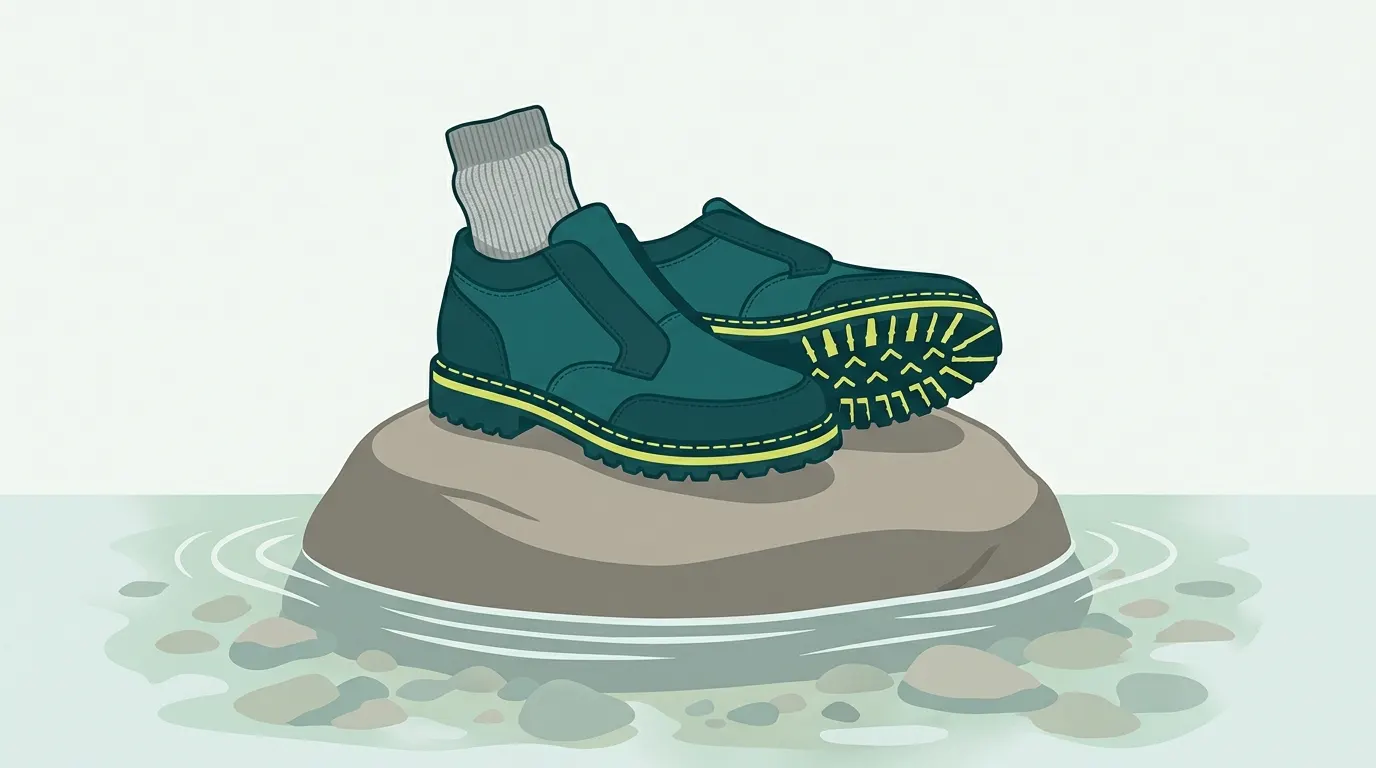
Wet wading is not safer than waders just because it feels lighter. Four habits carry over from any wading.
- Stay shallow in fast water. Orvis says that in fast water you should avoid wading above your knees.
- Use a staff. Colorado Trout Unlimited recommends one in high flows, strong currents and on slippery surfaces. Orvis UK says to test the riverbed ahead with it and keep two points of contact on the bottom, moving either a foot or the staff, never both. Our wading staffs page lists them.
- Angle across the current. Colorado Trout Unlimited says to stand sideways to the flow and lead with your downstream foot. Orvis UK says not to cross straight across, but to angle your path and face slightly upstream. If you tire, turn back.
- Do not wade if you do not need to. Orvis UK points out that fishing from the bank is often possible and reduces both the risk of falling and getting cold.
Do not cast until you have found secure footing, as Orvis UK also says. Casting distracts you from where your feet are.
There is no wading belt for wet wading, because a belt works with waders by limiting how much water fills them in a fall. If you want that protection, that is a reason to wear waders. The Orvis wading guide notes that wade anglers rarely wear a life jacket, even though it names a PFD (personal flotation device) as the most important safety item. Orvis UK says to always wear a life jacket or vest. Whether you wear one when wading is your call, but it belongs in the conversation if the water is deep, cold or fast.
Invasive species and gear
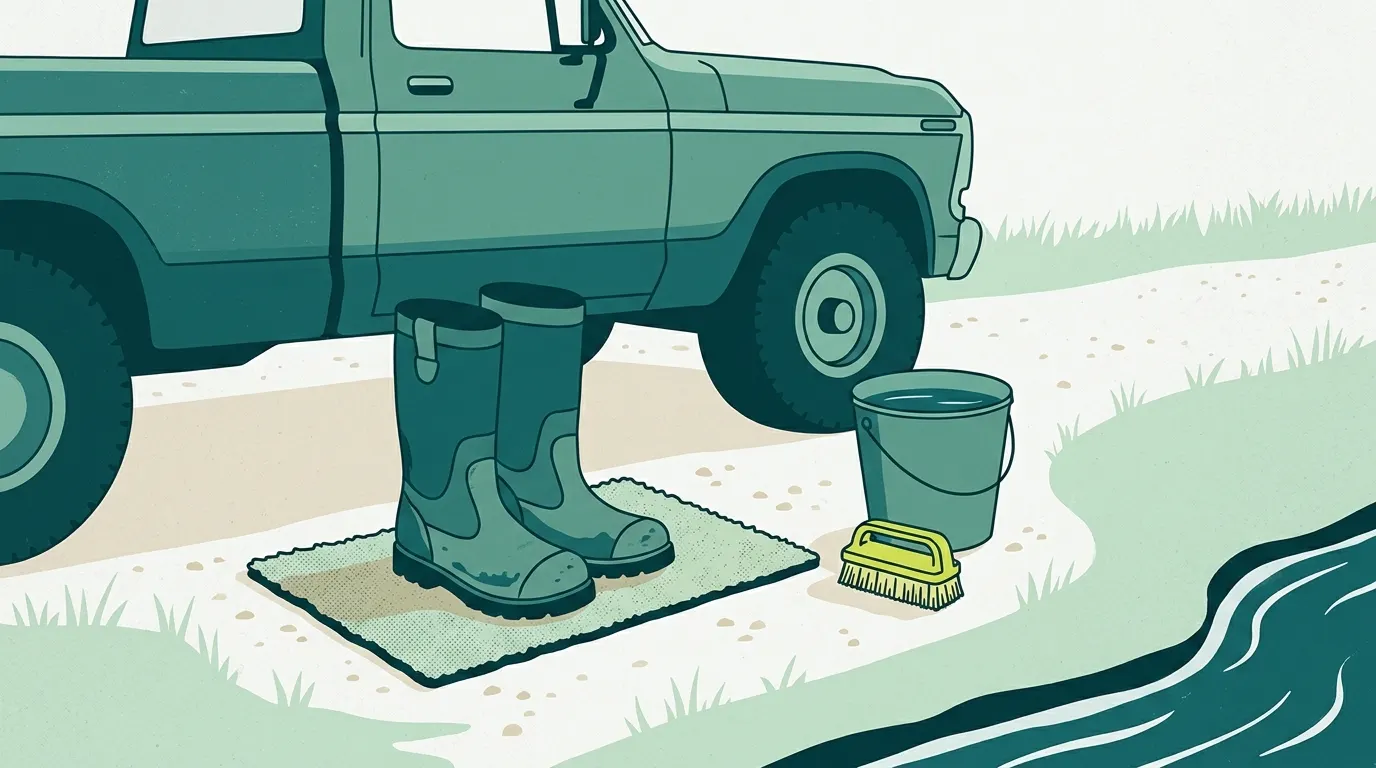
If you fish more than one watershed, clean your gear before you move. Colorado Trout Unlimited recommends washing gear before entering a new watershed, and mentions freezing shoes overnight as one practice for anglers who wade in several places. Check your state agency for the rule that applies to you.
When waders are the better call
Reach for waders when the water is cold, when the air is cold, when you will be standing a long time, or when you cannot say what temperature the water is. Breathable waders vs neoprene is a different question and a longer one. The waders page is the place to start for either. And if you are unsure on the day, wear waders and plan on being a little warm.
That is the whole idea of wet wading: you trade protection for comfort. Make the trade when the water is warm, the bottom is known, the current is gentle and you have the right shoes.
Questions people ask
What is wet wading?
It is fishing while standing in the water without waders. You wear quick-drying clothes and a pair of footwear that grips, and you accept getting wet. It suits warm days and warm water. In cold water, or if you are prone to cold legs, Colorado Trout Unlimited says waders are the better choice.
What do you wear for wet wading?
Quick-drying pants or shorts, a quick-drying shirt, and footwear with a grippy sole. Sources I read say to avoid cotton and jeans because they get heavy when wet and dry slowly. Wading boots over neoprene socks, strap sandals with good rubber soles and closed-toe water shoes are all in use. Our wet wading shoes page covers the footwear.
Can you wet wade in cold water?
Only with care, and I would not decide it by air temperature. Rivers can be very cold even when the air is warm, especially in snowmelt season. Seattle Children's says water temperatures can be very cold even when air temperatures are warm. If you are not sure, wear waders or stay out of the river.
What is the best footwear for wet wading?
The one that grips the bottom you will be standing on. Colorado Trout Unlimited calls footwear the most important item for safety. Wading boots with neoprene socks, strap sandals and closed-toe water shoes are the options it lists, and it says quick-dry sneakers grip rock less well. Never go barefoot on rock.
Should I wear a wading belt or carry a staff when wet wading?
A staff is worth carrying in strong current or on slippery bottoms, and Colorado Trout Unlimited recommends one in high flows. A belt is for waders, which can fill with water in a fall, so it does not apply when you are not wearing any. The staff and the rule of staying out of fast water above the knees still do.
Save this guide for later
Sources
- Colorado Trout Unlimited: Wet wading season is now — accessed 2026-10-15
- Guide Recommended: What to wear wet wading fly fishing — accessed 2026-10-15
- Orvis: Tips for safe wading when fly fishing — accessed 2026-10-15
- Orvis: Freshwater wading tips for moving water — accessed 2026-10-15
- Seattle Children's: Protect kids and teens from cold water shock drowning — accessed 2026-10-15